 Whispyhistory
In Otsuka Pharmaceutical Co Ltd v Sun Pharma ANZ Pty Ltd [2025] FCAFC 161, the Full Court of the Federal Court of Australia has significantly narrowed the scope of pharmaceutical patent claims eligible for a pharmaceutical patent term extension (PTE).
The Full Court unanimously held that claims directed to pharmaceutical formulations do not qualify for a PTE and that the definition of “pharmaceutical substance” as required by s 70 of the Patents Act 1990(Cth) is limited to active substances only.
This decision overturns several first instance authorities that had previously granted PTE based on formulation claims.
Background
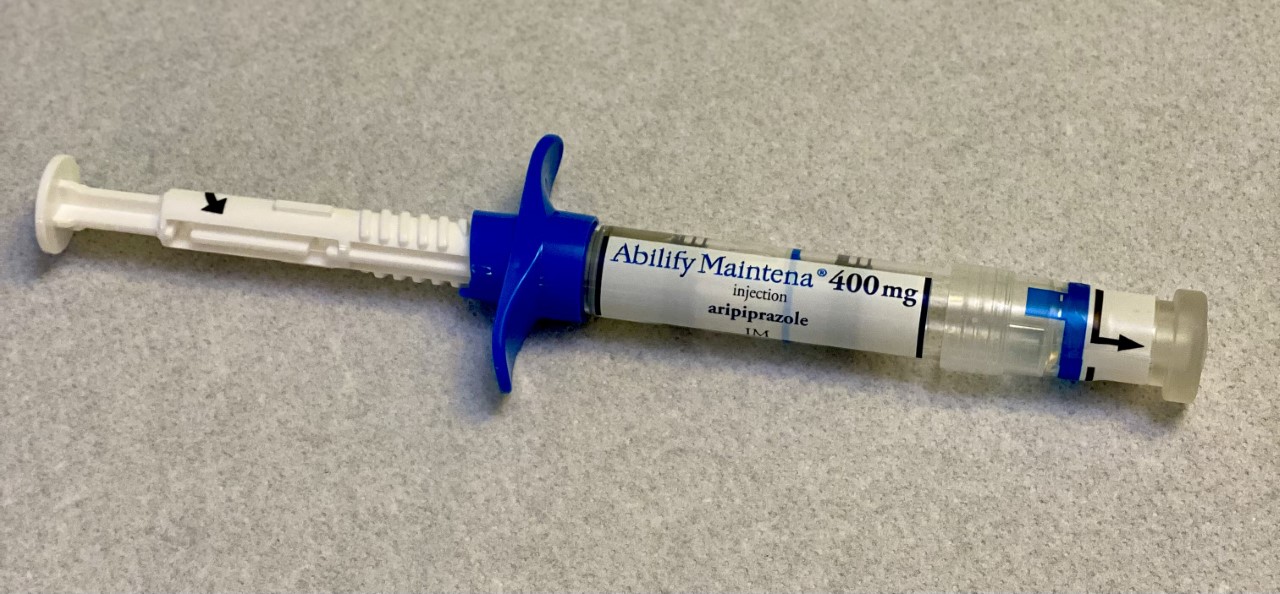
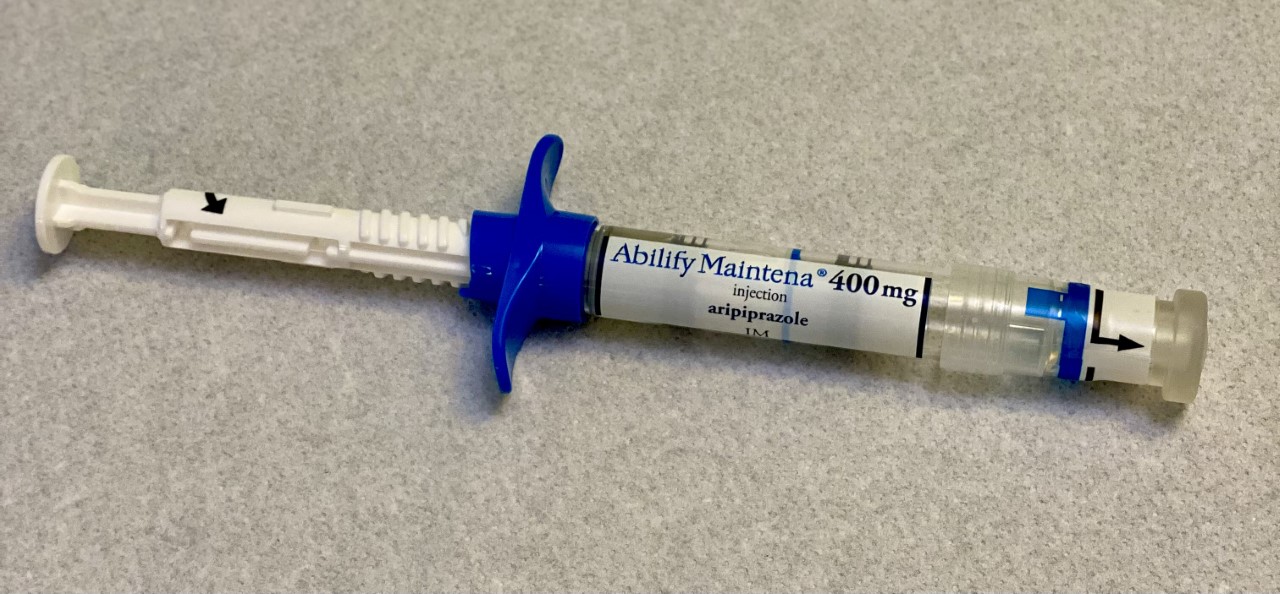
In the first instance decision which we covered in a previous post, Sun Pharma successfully challenged the validity of the PTE granted in respect of Otsuka’s patent for controlled release aripiprazole formulations based on the inclusion of ABILIFY MAINTENA on the Australian Register of Therapeutic Goods (ARTG).
Although the primary judge ultimately held the relevant claims to be invalid for lack of clarity and definition contrary to ss 40(2)(b) and 40(3) of the Patents Act 1990 (Cth), her Honour also concluded that formulations, including combinations of active ingredients and excipients, fell within the definition of “pharmaceutical substance” and were therefore eligible for a PTE.
Appeal
Otsuka appealed the finding of invalidity to the Full Court, and in response, Sun Pharma filed a notice of contention raising several arguments, the main one being that the primary judge erred by finding that formulations satisfied the definition of “pharmaceutical substance” for the purposes of s 70(2)(a) of the Patents Act.
Although the primary judge’s findings on sections 40(2)(b) and 40(3) were overturned and the claims were themselves found valid, the Full Court nevertheless found in favour of Sun Pharma to revoke the PTE on the basis that the patent did not claim a “pharmaceutical substance per se” within the meaning of s 70(2)(a).
Relevant Law
Section 70(2)(a) of the Patents Act permits PTE only for patents that disclose and claim a “pharmaceutical substance per se.”
As defined in Schedule 1 of the Patents Act:
“pharmaceutical substance”means a substance (including a mixture or compound of substances) for therapeutic use whose application (or one of whose applications) involves:
(a) achemical interaction, or physico-chemical interaction, with a human physiological system; or
(b) action on an infectious agent, or on a toxin or other poison, in a human body;
but does not include a substance that is solely for use in in vitro diagnosis or in vitro testing.
"therapeutic use" means use for the purpose of:
(a) preventing, diagnosing, curing or alleviating a disease, ailment, defect or injury in persons; or
(b) influencing, inhibiting or modifying a physiological process in persons; or
(c) testing the susceptibility of persons to a disease or ailment.
Pharmaceutical substance is limited to active substances
In concluding that the term “pharmaceutical substance” is limited to active substances and that formulations do not fall within the scope of the definition, the Full Court undertook a detailed analysis of the legislative history of the PTE regime.
The Full Court noted that the definition of “pharmaceutical substance” and “therapeutic use” first appeared in the former Patents Act 1952 following amendments made by the Patents Amendments Act 1989. The accompanying Explanatory Memorandum stated that the definitions “have the effect that the new patent extension scheme will apply only to pharmaceuticals for human use” and that “the scheme will be available for “therapeutic substances” in the terms of the Customs (Prohibited Imports) Regulations, with added limitations…”
Relevantly, the Court looked to the Customs Regulations which defined “therapeutic substance” as “a substance, including a mixture or compound of substances, that has a therapeutic use...”. The Court noted at [161] that it is clear that “therapeutic substance” in the Customs Regulations included formulations.
Nevertheless, the Court considered at [170] that the “added limitations” specified in the Explanatory Memorandum namely, “only substances whose use involves a chemical or physico-chemical interaction with a human physiological system, or involves action on an infectious agent, or on a toxin or other poison, within a human body, are included…” differentiates a substance which itself produces the therapeutic effect from any excipients present in a given formulation with such a substance.
Since it is only the active ingredient that can have a chemical or physico-chemical interaction with a human physiological system, or that can act on an infectious agent, or on a toxin, or other poison, in a human body, the Full Court held that the definition of “pharmaceutical substance” has always been intended to be limited to substances that are active.
In reaching this conclusion, the Full Court overturned the earlier first instance decisions in Pharmacia Italia SpA v Mayne Pharma Pty Ltd [2006] FCA 305, Spirit Pharmaceuticals Pty Ltd v Mundipharma Pty Ltd [2013] FCA 658, and Cipla Australia Pty Ltd v Novo Nordisk A/S [2024]FCA 1414, which previously concluded that claims relating to formulations are eligible for a PTE.
A major shift in Australian pharmaceutical patent strategy
Following the Full Court’s decision, PTE eligibility is effectively limited to patents that claim the active pharmaceutical substance itself, rather than formulations containing that substance. This means follow-on formulation patents can no longer serve as the basis for a PTE.
Significantly, previously granted PTEs based on formulation claims may now be open to challenge or revocation.
Originators should assess whether their extended formulation patents are vulnerable. For generic companies, there may be opportunities to pursue “clear the way” challenges to existing PTEs.
For further information on PTE’s and the implications of the Federal Court’s decision, please contact Daniel McKinley or Catrina Olivera.

We are proud members of


Office
Level 1/98 Riley Street
East Sydney NSW 2010
Australia
GPO Box 683
Sydney NSW 2001
Australia
Contact