
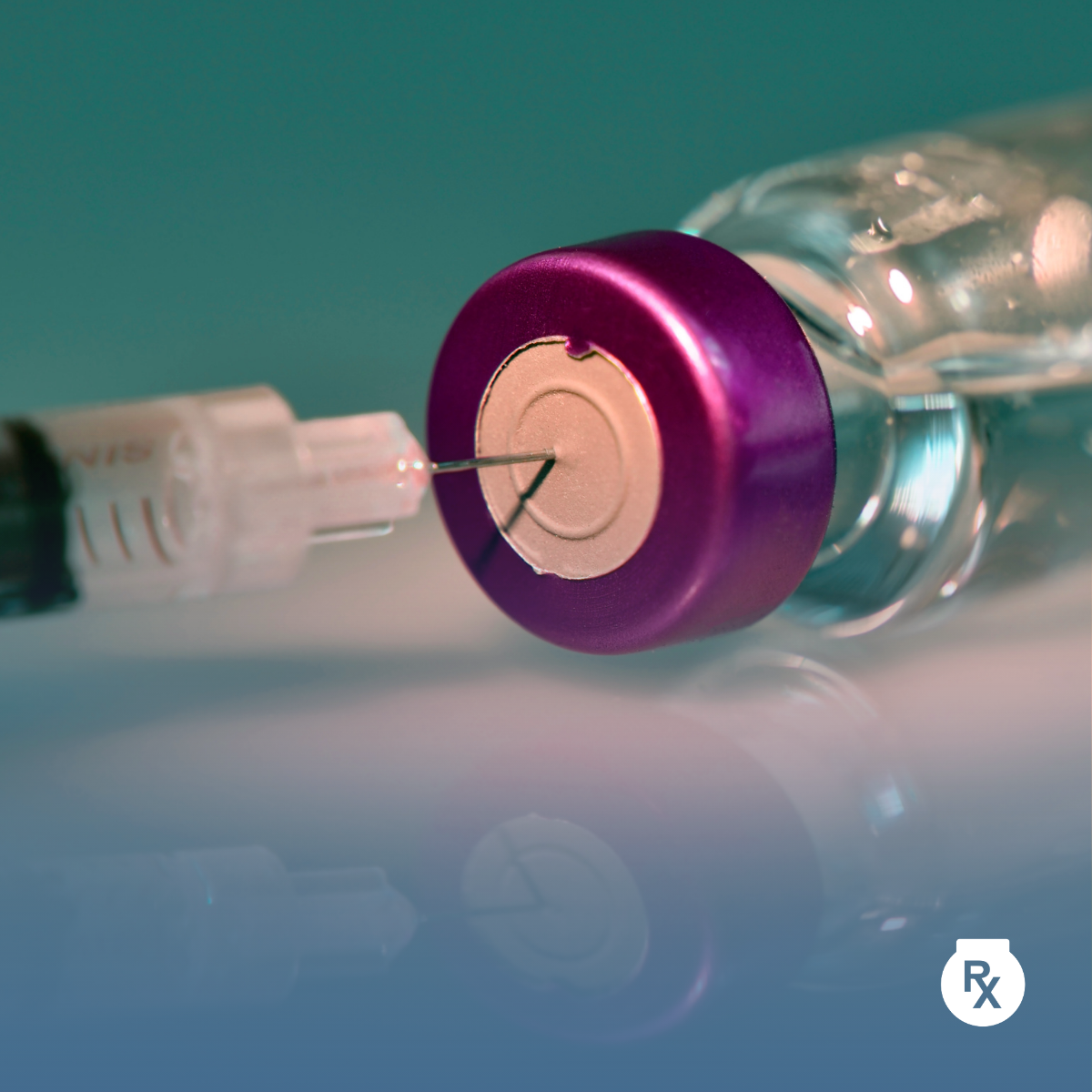
Biological medicines or biologics are medicines derived from living organisms rather than through conventional chemical synthesis. They include a wide range of products, such as antibodies, vaccines, and therapeutic peptides and proteins.
In Australia, biological medicines are regulated as prescription medicines by the Therapeutic Goods Administration (TGA). Before a biological medicine can be supplied in Australia, it must be evaluated by the TGA and included in the Australian Register of Therapeutic Goods (ARTG). The regulatory assessment considers whether the medicine meets applicable requirements for quality, safety and efficacy of the medicine for its intended use.[1]
Biosimilars are biologics that are highly similar to an already approved biological medicine, known as a "reference product”. Unlike generic drugs, which are chemically identical to their reference products, a biosimilar is not an exact molecular copy.
For biosimilars, the TGA applies a comparative approach based on demonstrating a high degree of similarity to a reference product that has been registered in Australia based on full quality, safety and efficacy data.[2] This involves comprehensive comparison of the biosimilar and reference product, including their physicochemical, biological, immunological, safety, and efficacy characteristics.
The complexity of biologics has important implications for intellectual property. For a conventional small-molecule drug, the active pharmaceutical ingredient can often be defined by its chemical structure. In contrast, the characteristics of a biologic can depend on its molecular structure as well as the biological system and manufacturing processes used to produce it.
As a result, patent protection for a biologic may extend beyond the molecule itself. Patents may cover, among other things, particular forms or variants of the biologic, formulations, manufacturing and purification processes, delivery systems, and therapeutic uses. For a biosimilar developer, understanding these different layers of protection is an important part of determining when and how a biosimilar can enter the market.
Patents are not the only form of protection that biosimilar developers must consider.
In Australia, s 25A of the Therapeutic Goods Act 1989 (Cth) provides a five-year data protection period for certain information submitted to the TGA in support of an application to register therapeutic goods consisting of, or containing, a new active ingredient. The 5 year data exclusivity period is counted from the date the relevant medicine is included in the ARTG.
The data exclusivity scheme is designed to temporarily block competing biosimilar makers from relying on an innovator's confidential clinical trial data, which it has disclosed to the TGA to obtain regulatory approval. The purpose is to incentivise innovation, or at least not be a disincentive, by protecting the results of investment in the gathering of trial data in relation to new therapeutics.
Importantly, however, the data exclusivity scheme does not prevent a biosimilar applicant from seeking regulatory approval during the data exclusivity period. Rather, it simply prevents the applicant from relying on the protected information and does not prevent satisfying the applicable regulatory requirements with independently gathered trial data.
For a more detailed discussionof data exclusivity in Australia and overseas, see our article HERE.
Biologics have become important treatments for a wide range of serious and chronic diseases ,including cancer, autoimmune diseases and diabetes. Their development and manufacture can be complex, and the resulting therapies can be costly.
As patents and other forms of regulatory protection for high-value biological medicines expire, biosimilars provide an opportunity for competition, with the potential to reduce treatment costs and expand patient access. For biosimilar developers, however, the expiry of a patent covering the reference product does not necessarily mean that the path to market is clear.
A reference product may be protected by a portfolio of patents covering different aspects of the product, its manufacture, or its use. For example, in addition to patents directed to the biologic itself, an innovator may hold patents relating to:
These patents may have different filing dates, claim scope and expiry dates. This layered protection is sometimes described as a “patent thicket”, which is a collection of overlapping patent rights that may need to be considered by a competitor seeking to enter a particular market.
Manufacturing and process patents can be particularly relevant to biosimilar development. The biological systems and processes used to produce a biologic can influence the characteristics of the resulting product. A biosimilar developer must therefore consider not only the composition of its proposed product, but also the processes by which it will be manufactured and purified. Similarly, the formulation, delivery system and intended use of the biosimilar may each raise separate patent considerations.
This creates an important distinction between regulatory approval and freedom to operate. A biosimilar may satisfy the TGA's requirements for registration while patents relating to its proposed formulation, manufacturing process, delivery system or intended use remain in force.
Given these potential barriers, intellectual property analysis should begin well before a biosimilar is ready for commercial launch.
A freedom-to-operate (FTO) assessment can identify patents and patent applications that may be relevant to the proposed biosimilar. Early identification of potentially problematic patents can be particularly valuable. If a proposed manufacturing process falls within the scope of a third-party patent, for example, it may be possible to investigate an alternative process before substantial investment has been made in development and scale-up. Similarly, identifying a potentially relevant formulation patent early may allow alternative formulations to be considered.
The patent landscape presents both challenges and opportunities for innovators and biosimilar developers.
For innovators, patent protection may arise from inventions developed throughout the lifecycle of a biologic. In addition to the biologic itself, potentially patentable developments may include new formulations, manufacturing or purification processes, delivery systems and therapeutic applications. Where these developments satisfy the applicable patentability requirements, they may provide additional layers of patent protection for the biologic and its associated technologies.
A proactive patent strategy is therefore important throughout the development of a biologic. Potentially patentable developments should be identified as they arise, with appropriate protection considered before public disclosure or other events that could affect patent rights. Patent strategy should also be coordinated with scientific and commercial development to ensure that potentially valuable inventions are identified and protected at an appropriate stage.
For biosimilar developers, the patent landscape can similarly present opportunities as well as risks. The development of a biosimilar may involve improvements or alternative approaches to manufacturing, purification, formulation or delivery that are themselves capable of patent protection. Subject to the applicable patentability requirements, these developments can allow a biosimilar developer to establish its own patent position rather than simply navigating the patent rights of the reference product.
Biosimilar developers may also need to determine how to respond to third-party patents that could affect market entry. Depending on the circumstances, options may include designing around patent claims, developing alternative processes or formulations, challenging patent validity, or negotiating a commercial arrangement with the patent owner.
The appropriate strategy will depend on the scope and strength of the relevant patent rights, the development pathway and the commercial objectives of the parties. Early consideration of patent strategy can therefore help both innovators protect the value of new developments and biosimilar developers identify opportunities to build their own IP while managing barriers to market entry.
For both innovators and biosimilar developers, patent strategy should be considered early and revisited throughout the development and commercialisation process.
For innovators, valuable patent rights may arise not only from the biologic itself, but from subsequent developments in formulation, manufacturing and purification, delivery systems and new therapeutic applications. Identifying and protecting those developments can be an important part of maintaining the value of a biologic over its commercial lifecycle.
For biosimilar developers, expiry of the principal patent covering a reference product does not necessarily provide a clear path to market. Other patents may remain relevant to the proposed product, its manufacture, formulation, delivery or use. Freedom-to-operate analysis is critical to identifying these potential obstacles and whether there is an opportunity to work around them, seek revocation or pursue an alternative strategy.
At the same time, biosimilar development can generate new intellectual property of its own. New manufacturing processes, formulations and delivery technologies may themselves be patentable and can form an important part of a biosimilar developer's commercial strategy.
The key for both sides is to treat patent strategy as part of the development and commercialisation process, rather than something to consider only when a product is approaching the market.
For more information about IP issues affecting biologics and biosimilars, please contact Daniel McKinley or Dr Catrina Olivera.
[1] https://www.tga.gov.au/products/medicines/prescription-medicines/overview/biological-medicines
[2] https://www.tga.gov.au/resources/guidance/registering-biosimilar-medicine-australian-register-therapeutic-goods-artg#reference-medicines-requirements

We are proud members of


Office
Level 1/98 Riley Street
East Sydney NSW 2010
Australia
GPO Box 683
Sydney NSW 2001
Australia
Contact
